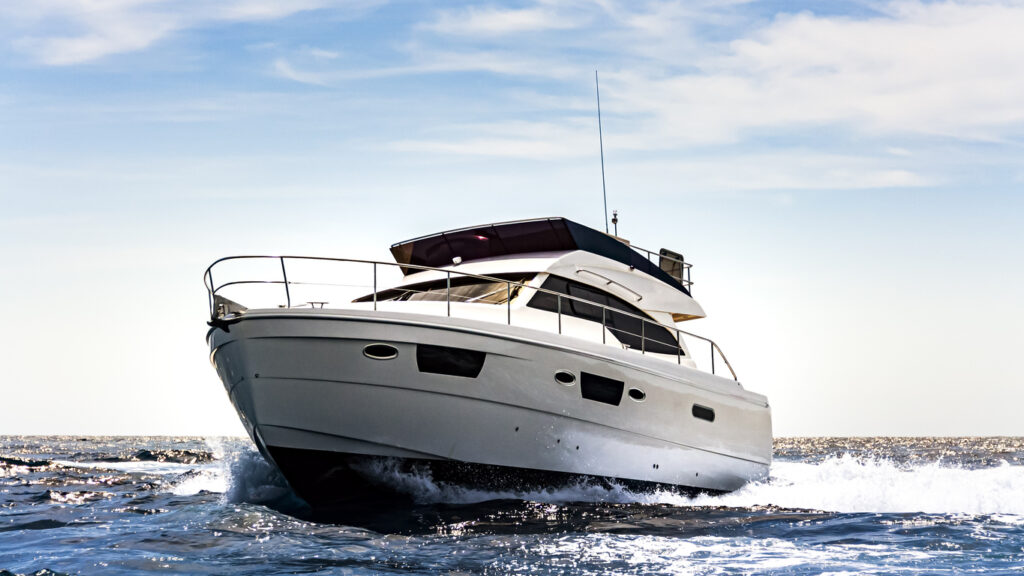
Boat builders are the link between traditional craftsmanship and modern technology in shipbuilding. They design, build and repair watercraft of all kinds - from small rowing boats, motorboats and workboats to fully equipped yachts. For shipyards and shipbuilding companies that need boatbuilders on a project basis, temporary employment offers direct and flexible access to these versatile specialists.
Table of contents
- What does a boat builder do?
- What is the difference between a boat and a ship?
- What exactly does a boat builder build?
- Boat builder in the modern shipyard: craftsmanship meets high-tech
- Why temporary work makes sense for boat builders in shipbuilding
- Request boat builders and shipbuilding specialists now
Estimated reading time: 5 minutes
What does a boat builder do?
A boat builder works with a wide range of materials: traditionally with wood, but also with fiberglass, high-strength plastics and aluminum. This combination makes him a craftsman, technician and - to some extent - also a designer. The requirements profile is correspondingly diverse:
- Precision craftsmanship: Boat builders work with tight tolerances. Errors in the design can jeopardize seaworthiness.
- Technical understanding: Hull geometry, weight distribution, stability - all this requires sound technical knowledge.
- Creativity: Individual solutions are particularly in demand in yacht building.
- Environmental and safety awareness: The choice of materials and design must comply with applicable safety and environmental standards.
In Germany, boatbuilding is a recognized skilled trade - which underlines the social and economic importance of this activity. Boatbuilding is not a niche area: it is an integral part of shipbuilding as a whole.
What is the difference between a boat and a ship?
The question sounds simpler than it is. The terms „boat“ and „ship“ are not clearly defined in German usage or in technical terminology. There are various approaches to differentiating between them:
Driving behavior in the water
A boat glides on the water: the hull is designed in such a way that it only dips slightly and glides on its own wave with increasing speed. In a bend, a boat leans inwards - the side on the inside of the bend dips deeper. A ship, on the other hand, lies deep in the water. The underwater body puts up more resistance to the centrifugal forces in the bend than the part above the water surface - which is why a ship leans outwards in the bend. However, this distinguishing feature is complicated by so-called half-gliders: Watercraft that lie low in the water up to a certain speed and only begin to glide at higher speeds.
Size as a rule of thumb
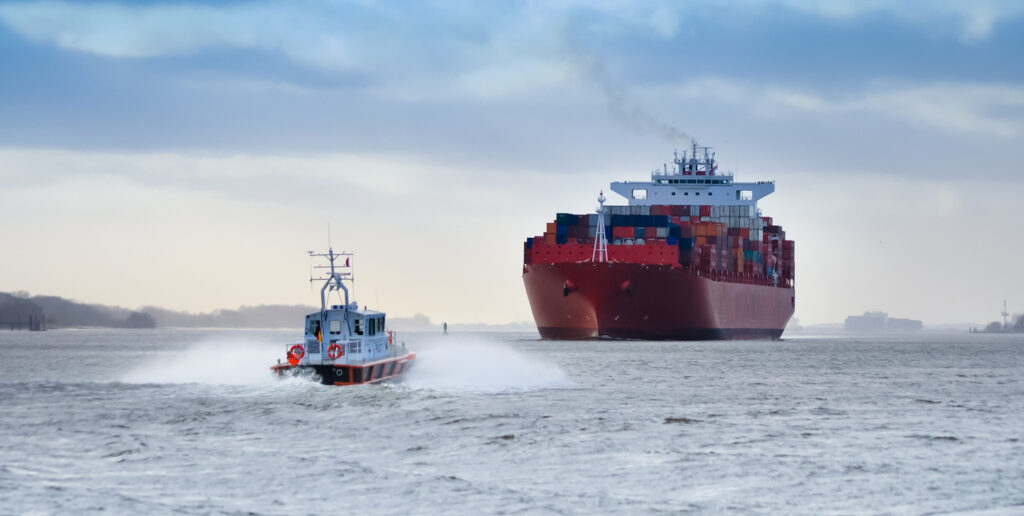
In practice, a length of 24 meters is the usual limit. Watercraft under 24 meters - rowing boats, sports boats, motorboats, sailing boats - are referred to as boats. Vehicles over 24 meters are considered ships. This rule also has exceptions: Sailing yachts with a length of 12 meters can have clearance for all oceans, while motor yachts with 24 meters are often only approved for coastal waters. Seaworthiness is not determined by size alone - design, propulsion and construction principle play at least as important a role.
Seaworthiness and area of application
Ships are designed for the open sea. The requirements increase with size: better statics, more extensive safety equipment, more powerful drives, greater range and complete supply systems for crew and operation. Passenger ships, merchant ships and naval vessels have to withstand storms even after many years of operation - hundreds or thousands of nautical miles from the nearest port.
What exactly does a boat builder build?
For smaller watercraft under 24 meters, boat builders design hulls in such a way that they offer the necessary stability for the respective area of use. They take over:
- Weight distribution and choice of materials for hull, deck and superstructure
- Production and assembly of the boat hull
- Installation of equipment: seats, navigation systems, kitchens, sanitary facilities, drives
On larger ships, boat builders work as part of interdisciplinary teams. More complex design principles are used here: multi-keel systems to dampen rolling movements, double bottoms for additional safety in the event of grounding, ballast tanks to ensure stability and extensive supply systems. The static calculations and safety requirements increase considerably with the size of the ship.
Boat builder in the modern shipyard: craftsmanship meets high-tech
Modern shipyards employ boat builders not only for classic wood and fiberglass constructions. They are also involved in the processing of modern composite materials, the integration of electronic systems and the implementation of individual customer requirements - especially in yacht building. The combination of craftsmanship and technical understanding makes them an indispensable specialist in the entire shipbuilding process.
Why temporary work makes sense for boat builders in shipbuilding
Shipyards and shipbuilding companies have fluctuating personnel requirements: There is a shortage of skilled workers during peak periods, while a lean team makes sense in quieter times. Boatbuilders are a professional group that is particularly in demand for specific projects - whether for new builds, repairs or refits. Temporary work offers clear advantages here:
- Fast availability: Qualified boat builders with experience in wood, plastic and aluminum constructions - available at short notice.
- Flexible capacity control: Staff are added precisely when project phases require it - without long-term permanent positions.
- Broad range of qualifications: From career starters to experienced master boatbuilders with specialist knowledge in yacht building or commercial shipping.
- Legally compliant processing according to AÜG: All requirements under temporary employment law are fully covered by the temporary employment agency.
- International specialists: Boat builders from Europe with the necessary qualifications and language skills.
Request boat builders and shipbuilding specialists now
Are you looking for boatbuilders, shipbuilders or other maritime craftsmen and technicians for your shipyard or shipbuilding project? We provide qualified specialists quickly, flexibly and with legal certainty.
Similar topics